Free Printable Bird Coloring Pages
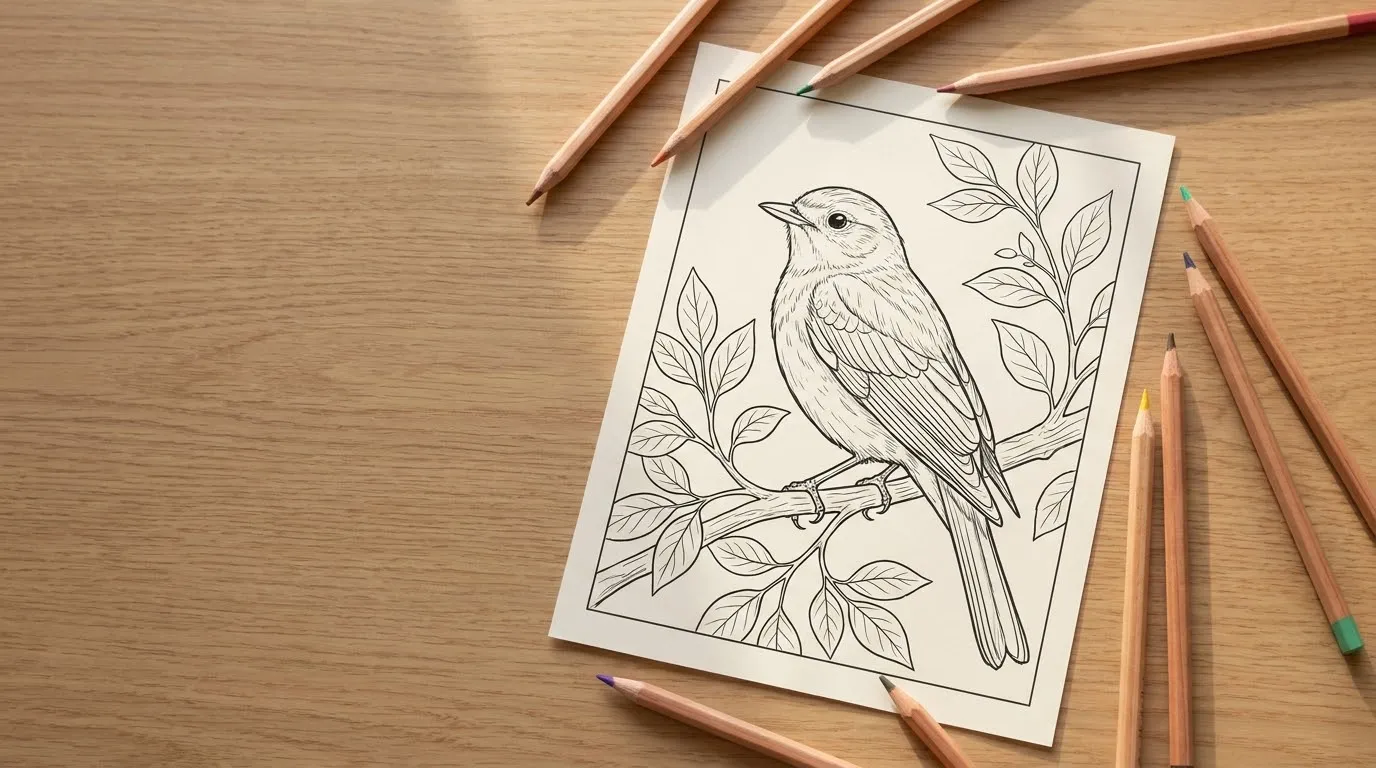
Free Printable Bird Coloring Pages tool


No coloring pages in this level yet. Try switching the filter above to view all pages.
On this page
Printable avian illustrations for young naturalists and hobbyists
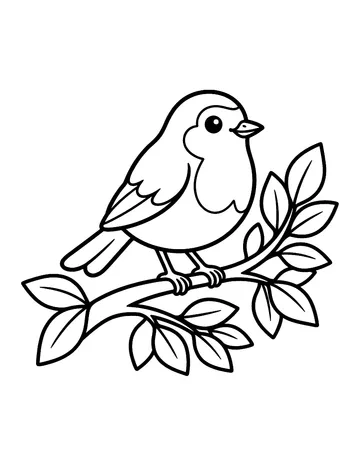
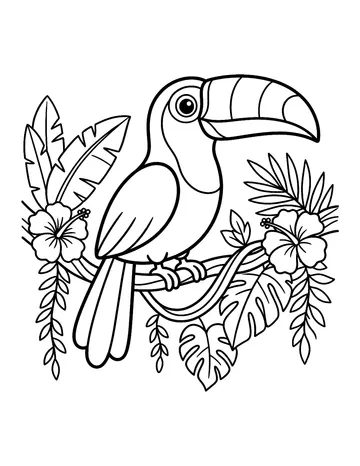
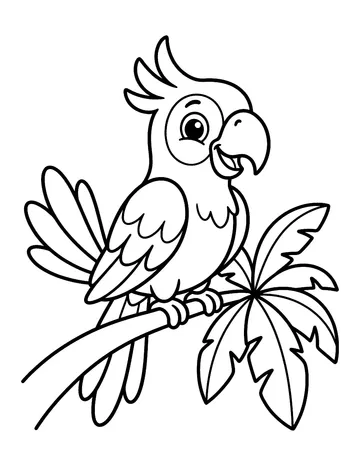
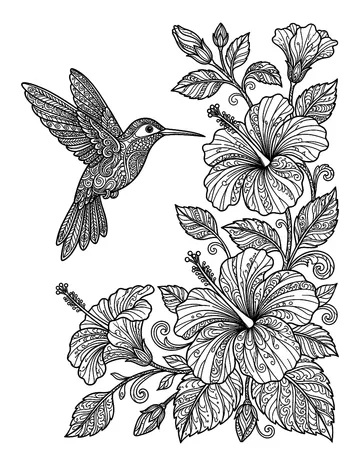
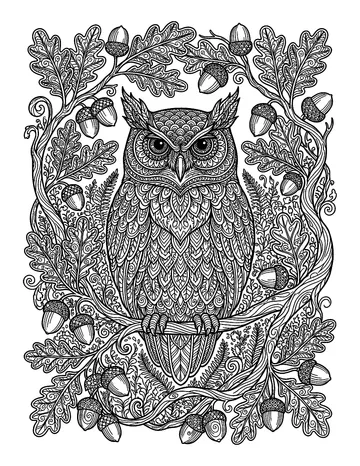
Discover the avian world with our bird coloring pages, part of the free printable coloring pages archive at AI Print Works. Featuring a cheerful robin on a leafy branch, woodland owls, a hovering hummingbird, a parrot on a palm branch, and a tropical toucan on a jungle vine, this printable gallery invites colorists into nature study and artistic relaxation.
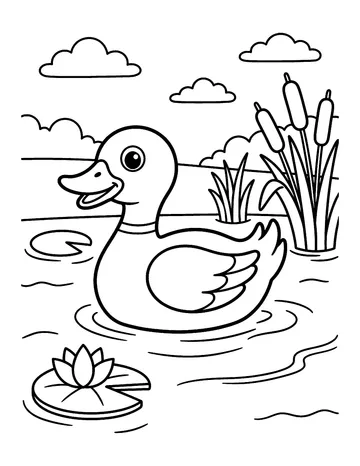
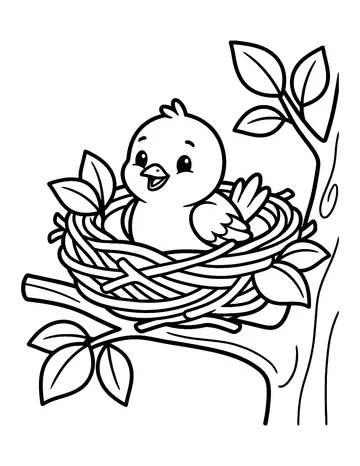
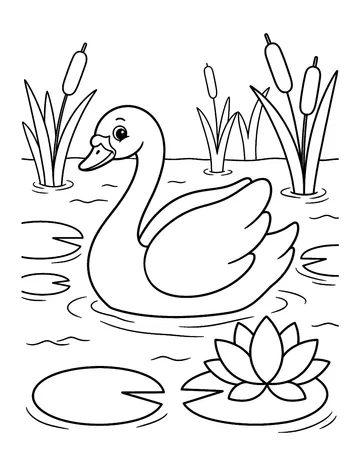
Providing paper and coloring materials supports fine motor skill development and hand-eye coordination, as documented in Penn State Extension fine motor activities. Toddlers and elementary kids can explore a friendly owl on a hollow log, a duck swimming across a calm pond, a baby bird in a twig nest, and a swan gliding past water lilies. Advanced colorists can engage with a peacock displaying an intricate patterned tail fan, a woodland owl framed by oak branches, and a hummingbird hovering beside blooming hibiscus flowers.
To expand your nature-themed coloring sessions, explore our botanical flower coloring pages or delve into prehistoric avian ancestors with our dinosaur coloring pages.
Free Coloring Tool
Turn a photo into a coloring page
Upload any family, pet, or vacation photo and download a clean, printable coloring sheet in seconds.
Try the free toolThe science of plumage and feather coloration
Birds display some of the most spectacular color palettes in the natural kingdom. Scientific research from the Cornell Lab of Ornithology explains the biological mechanisms responsible for these displays:
- Carotenoid pigments: Bright yellows, oranges, and deep reds come from carotenoids absorbed through seeds and berries. Species like northern cardinals and goldfinches depend on dietary nutrients to maintain vivid plumage.
- Melanin pigments: Melanin granules embedded in feather structures produce earth tones, including dense blacks, chocolates, and buffs. Melanin also strengthens feather keratin, protecting high-wear wingtips against abrasion.
- Structural color scattering: True blue pigment does not exist in bird feathers. Brilliant blues seen in bluebirds and jays are structural colors produced when microscopic air pockets inside feather barbs scatter light.
- Iridescent feather refractions: Hummingbirds and peacocks feature microscopic barbule platelets that act like miniature prisms, refracting light waves into shimmering metallic greens, bronzes, and violets.
Coloring tips for realistic plumage, wing bars, and garden foliage
Achieving lifelike feathers and vibrant outdoor scenes requires thoughtful layering and stroke direction:
- Feather contouring: Feathers naturally overlap like shingles on a roof. Use light, flicking pencil strokes that follow the contour of the bird’s body, angling backward from the crown toward the tail. Vary stroke pressure to indicate soft downy feathers versus stiffer flight quills.
- Highlighting wing bars: Many songbirds feature white or pale wing bars across darker flight feathers. Leave these bands uncolored or apply a faint cream tint, shading surrounding wing coverts with darker charcoal or navy to make markings stand out.
- Realistic beak and eye shine: Bird eyes possess a dark, glassy sheen. Shade the iris with warm amber or deep hazel, leaving a pinpoint of bare white paper in the upper quadrant for a lifelike light reflection.
- Botanical branch backgrounds: Ground your avian subject by shading perches with warm umber and moss green, adding soft watercolor washes behind blossoms to suggest leafy garden depth.
Line verification, printer setup, and usage terms
Every sheet is generated with AI tools, then checked before it’s posted. We look for open outlines and stray marks before a sheet goes up, so color stays where you put it.
To print your pages, select Fit to Printable Area on standard Letter or A4 paper. This setting keeps wingtips and leafy borders within your printer’s margin area. Selecting monochrome output yields dark, solid outlines while saving color ink. Standard copy paper works well for wax crayons and colored pencils. For markers or brush pens, use heavier cardstock, following advice in our guides on how to print coloring pages and the best paper for coloring.
All bird coloring pages in our collection are free for personal, family, daycare, and classroom use. Commercial resale or digital redistribution of printed sheets and electronic files is strictly prohibited.
Frequently asked questions
What types of birds are featured in this printable collection?
Our bird collection includes species from backyard robins and swimming ducks to woodland owls, hovering hummingbirds, parrots, swans, and tropical toucans. Younger children can color bold, friendly birds such as a robin on a leafy branch, a baby bird in a twig nest, or a swan gliding past water lilies, while teens and adults can explore a peacock displaying an intricate tail fan, a hummingbird beside hibiscus flowers, and a woodland owl framed by oak branches.
How do birds produce their vibrant feather colors?
According to research from the Cornell Lab of Ornithology, bird feather colors result from pigments and microscopic physical structures. Carotenoids from diet create vivid yellows and reds, melanins produce earthy browns and blacks, while microscopic barbs scatter light to create striking blues and shimmering iridescent hues without any blue pigments.
What coloring tools provide the best control for bird plumage?
Sharpened colored pencils give colorists exceptional precision for laying down individual feather barb strokes and subtle wing shading. Fine-point water-based markers also work well for rich tropical bills and crests, while soft watercolor washes can create atmospheric sky backgrounds when sheets are printed on heavier mixed-media stock.
How can these bird coloring sheets support nature study lessons?
Parents and teachers can pair these coloring pages with backyard birdwatching guides or local audubon field sheets. Coloring accurate plumage patterns helps students observe field markings, beak shapes, and wing bars, reinforcing species identification skills and fostering an appreciation for regional avian wildlife and migratory patterns.
Can nature centers and public libraries print these bird pages for visitors?
Yes. Park nature centers, public libraries, homeschool co-ops, and elementary school science classes have full permission to print and share physical copies of these coloring sheets for educational workshops and visitor programs. The pages are free for educational and personal use, though commercial resale or digital redistribution is prohibited.