Free Printable Flower Coloring Pages
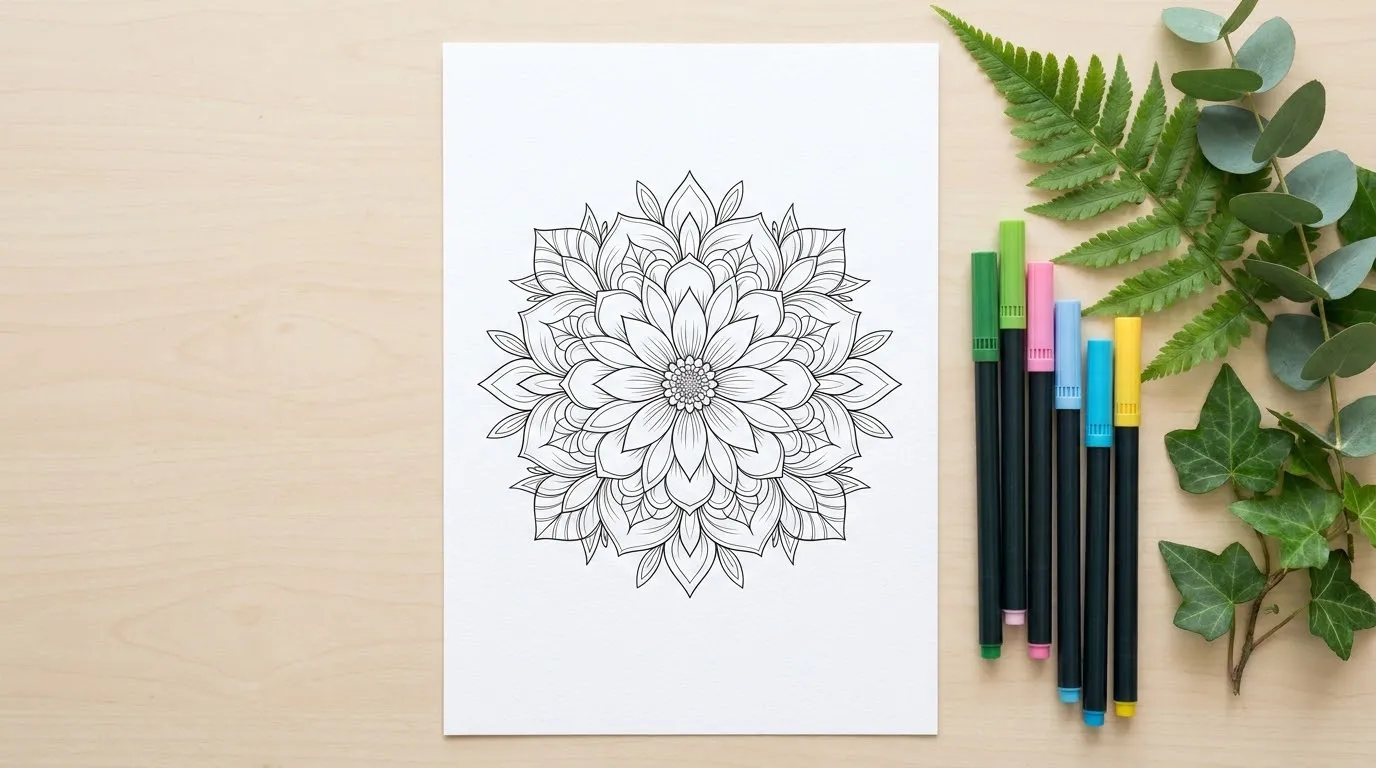
Free Printable Flower Coloring Pages tool




No coloring pages in this level yet. Try switching the filter above to view all pages.
On this page
Botanical illustrations for every skill level
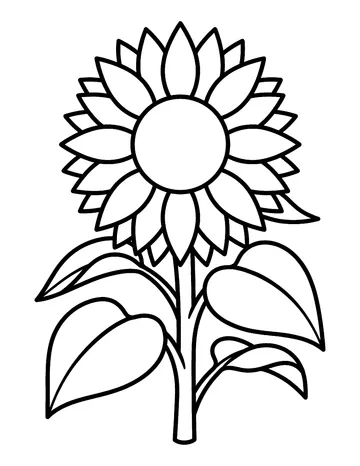
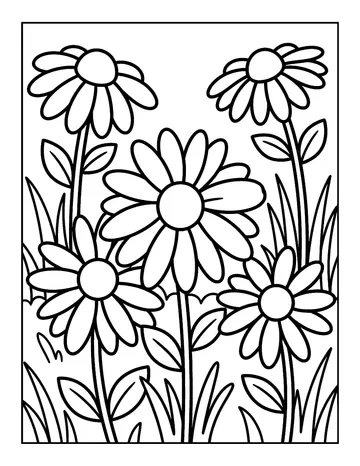
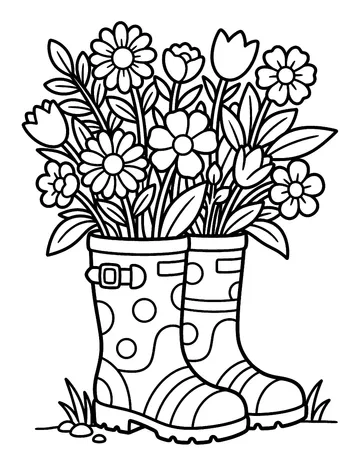
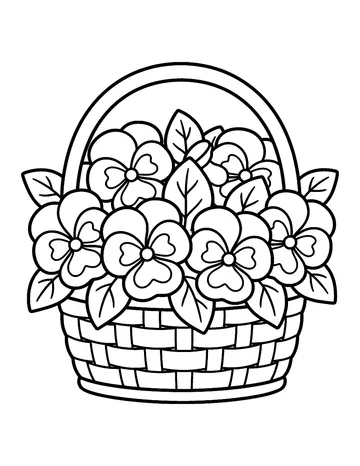
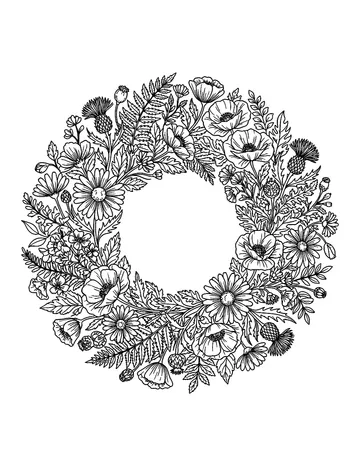
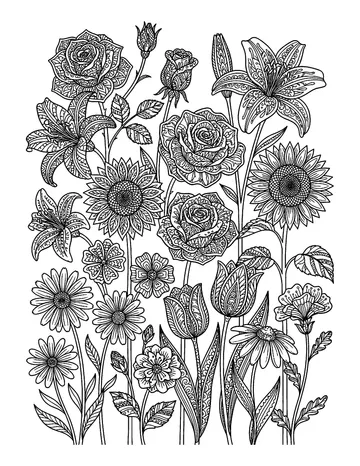
Welcome to our flower coloring pages gallery, a botanical section in the AI Print Works free printable coloring pages collection. From daisies in a meadow and a big sunflower with leaves to roses on a vine and a wreath of wildflowers, this collection offers pages for colorists of all ages across both kids and adult skill levels.
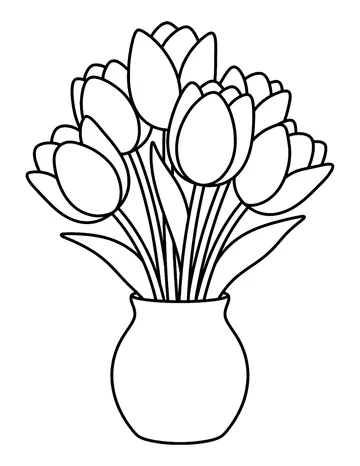
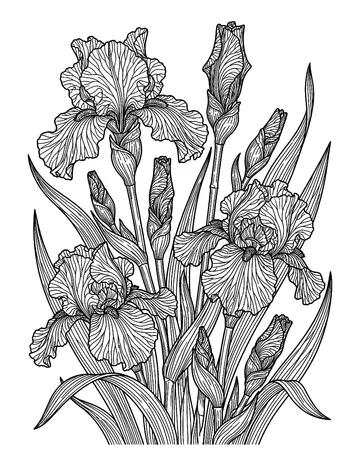
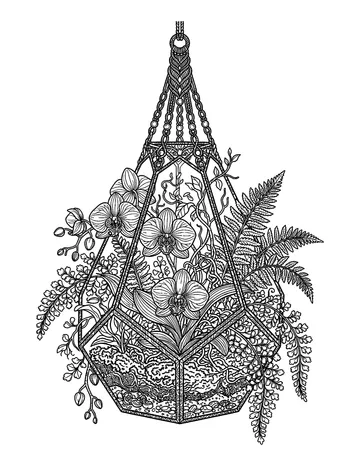
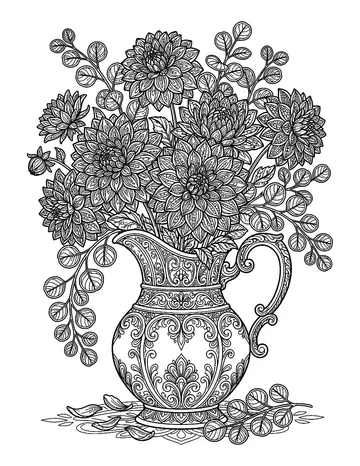
For young children, kids sheets provide bold outlines and generous shapes easy to fill with crayons or washable markers, featuring a bunch of tulips in a vase, a potted cactus with a flower, a lily pad with a lotus, a watering can filled with spring daffodils, a hibiscus flower with tropical leaves, a wooden window box with petunias, rain boots holding wildflowers, and a woven basket full of pansies. For older colorists and adults, detailed sheets feature a peony bouquet, a circular wildflower wreath, an intricate rose with leaves, a garden of mixed flowers, a botanical study of iris blossoms, a hanging terrarium filled with orchids and ferns, and a vintage pitcher overflowing with dahlias and eucalyptus.
If you enjoy coloring natural organic forms alongside geometric rhythms, pair these blooms with our mandala coloring pages for varied coloring sessions.
Free Coloring Tool
Turn a photo into a coloring page
Upload any family, pet, or vacation photo and download a clean, printable coloring sheet in seconds.
Try the free toolShading petals, leaf veins, and botanical stems
Nature is rarely monochromatic. Achieving depth in floral coloring relies on thoughtful blending and gradient transitions across petal layers:
- Petal gradients: Start with a light foundational color across the entire petal surface, such as soft yellow or blush pink. Next, take a deeper rose, magenta, or amber tone and lightly shade the inner cup where the petal joins the flower receptacle. Feather this darker shade outward, leaving the outer edge bright to catch natural sunlight.
- Leaf veins and foliage: Leaves look more natural when colored with multiple greens. Use a light lime green along the central midrib and highlight areas, then shade forest green or olive along the margins and leaf underside. A hint of golden yellow or burnt sienna near the tips suggests realistic garden foliage.
- Dewdrops and highlights: To create the illusion of morning dew on a leaf or petal, shade a tiny dark shadow underneath a small uncolored circle, leaving a bright white speck at the top to mimic sunlight bouncing off water.
Quality review, paper choices, and printing instructions
Every sheet is generated with AI tools, then checked before it’s posted. We look for open outlines and stray marks before a sheet goes up, so color stays where you put it.
Because floral illustrations often inspire artists to use markers, gel pens, or watercolor pencils, paper choice matters. Standard twenty-pound copy paper can crinkle when layered with pigment. Printing onto twenty-four-pound paper or sixty-five-pound cardstock helps keep lines crisp and minimizes page bleed-through. Consult our guide on the best paper for coloring for paper weight recommendations.
When preparing your printer, select Fit to Printable Area and standard monochrome mode. All pages are free for personal, family, and educational classroom activities. Commercial resale or redistribution of our files is prohibited.
Frequently asked questions
What types of flowers are featured in this printable collection?
Our flower collection covers garden blossoms, wild flora, and botanical arrangements suited for every skill level. Younger colorists can enjoy a big sunflower with leaves, a bunch of tulips in a vase, roses on a vine, daisies in a meadow, a potted cactus with a flower, a lily pad with a lotus, a watering can filled with daffodils, a hibiscus flower, a window box of petunias, rain boots holding wildflowers, and a basket of pansies. Adults can color a detailed peony bouquet, a wildflower wreath, an intricate rose, a mixed flower garden, an iris botanical study, an orchid terrarium, and a pitcher of dahlias.
How do you achieve realistic petal blending when coloring flowers?
To shade petals naturally, lay down a soft base tone near the center of the petal, then blend a darker, saturated hue along the petal base and outer creases. Using a colorless blending pencil or light pressure helps smooth transitions between subtle floral hues.
What paper should I use for floral coloring pages with markers?
For alcohol or water-based brush markers, print onto sixty-five-pound cardstock or twenty-eight-pound smooth presentation paper. Standard twenty-pound multipurpose paper tends to absorb ink too quickly, causing botanical outlines to bleed and feather into adjacent petal segments and spoil crisp lines.
Are these flower coloring pages free for classroom art projects?
Yes. Teachers, art instructors, and homeschool families can download and print unlimited copies for science units on plant parts, seasonal spring crafts, or classroom gift projects. Commercial distribution, repackaging, or selling printed copies is not permitted under our license terms.
Can I use watercolor paints on these printed botanical pages?
Yes, provided you print onto inkjet-compatible watercolor paper or heavy mixed-media cardstock. Always check that your printer uses water-resistant pigment ink, or test a scrap sheet first, so that the printed outlines do not smudge when wet watercolor washes are applied.