Free Printable Dog and Puppy Coloring Pages
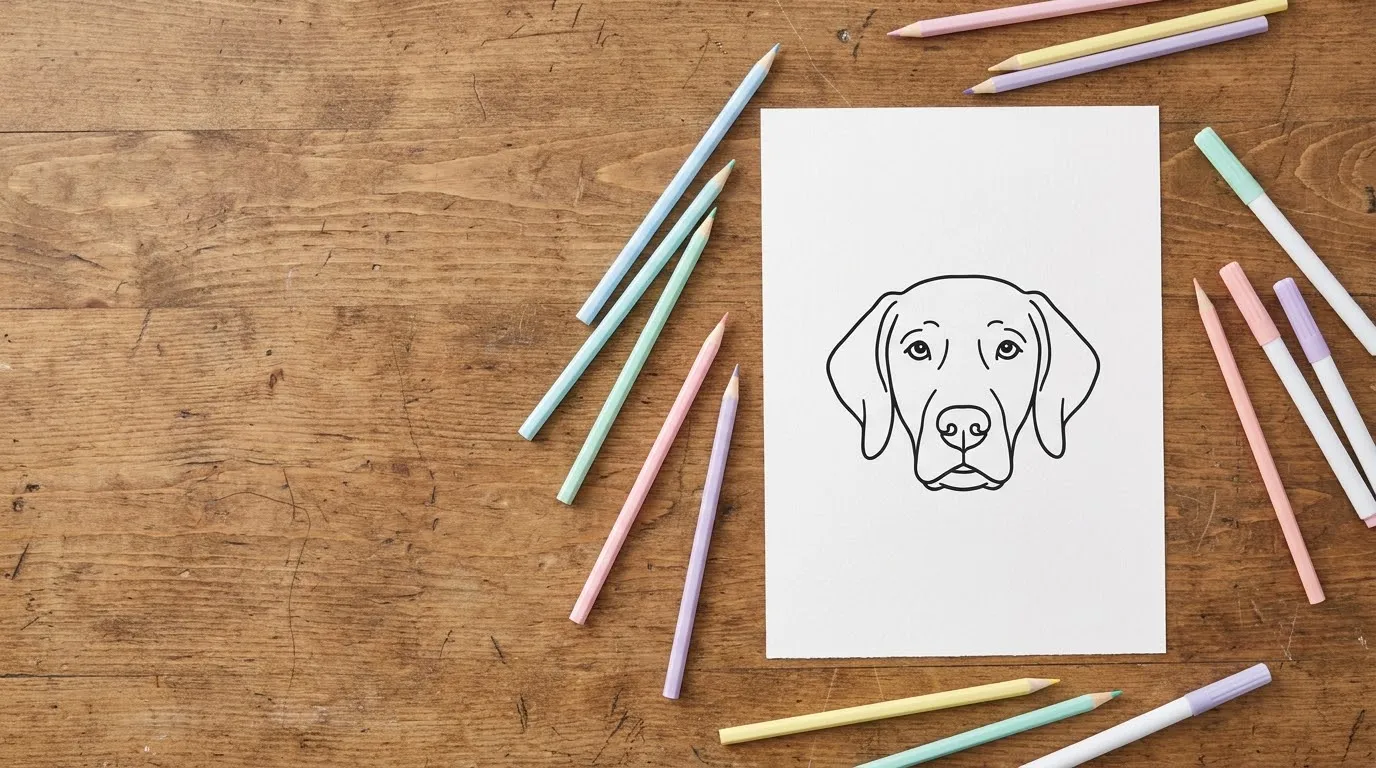
Free Printable Dog and Puppy Coloring Pages tool







No coloring pages in this level yet. Try switching the filter above to view all pages.
On this page
Printable dog breeds and puppies for every age
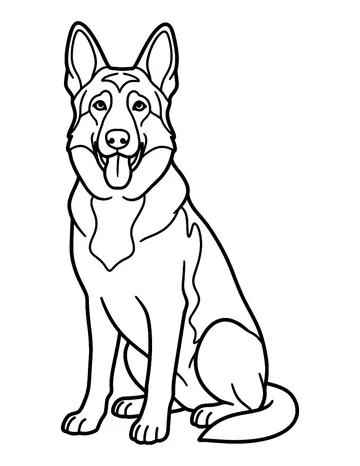
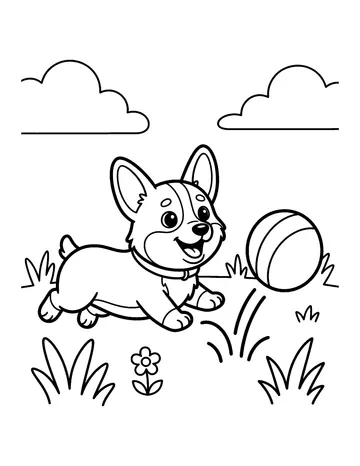
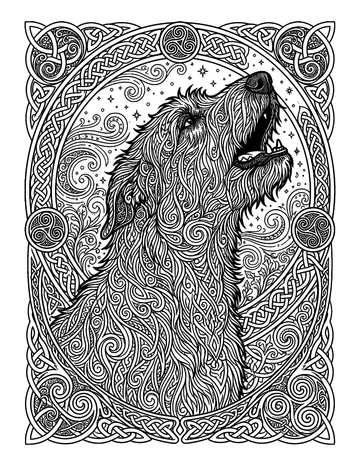
Welcome to our dog coloring pages gallery, a core section of our free printable coloring pages library. From a golden retriever puppy in a garden and a corgi chasing a bouncing ball to an alert German shepherd and a howling wolfhound, this collection celebrates dogs across both kids and adult difficulty levels.
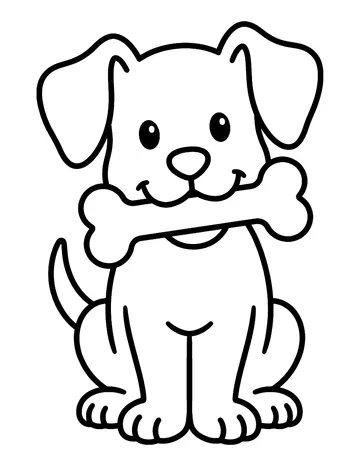
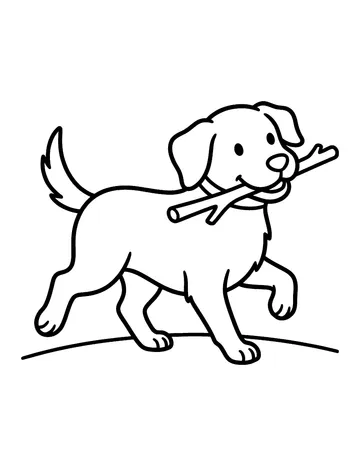
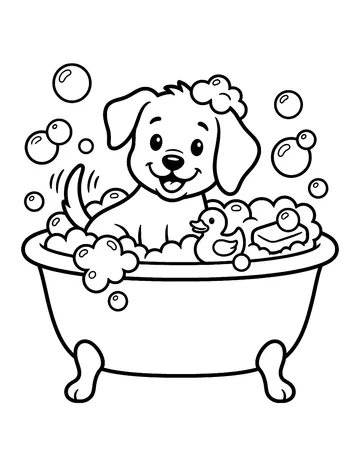
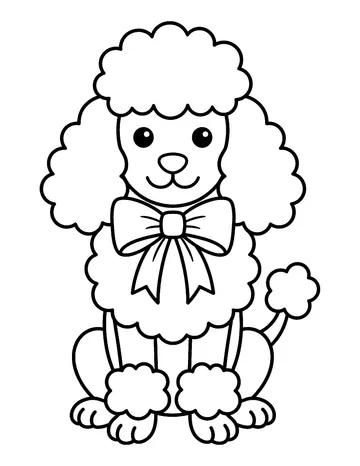
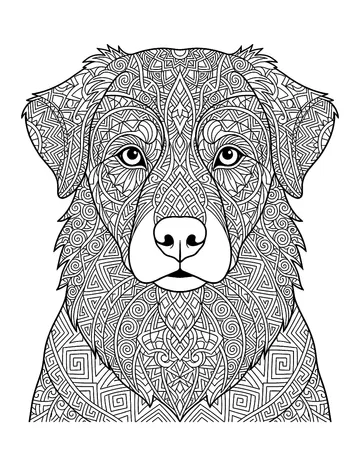
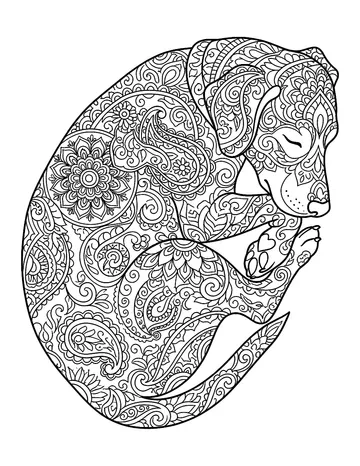
Providing paper and coloring materials supports fine motor skill development and hand-eye coordination, as described in Penn State Extension fine motor guidance. For younger colorists, kids pages feature bold outlines and generous spaces that help small hands stay within the lines, showing a happy puppy with a bone, a dog playing fetch with a stick, a puppy in a bathtub with bubbles, a sleepy puppy resting in a wooden doghouse, a dalmatian by a fire hydrant, a poodle with a ribbon bow, and a husky playing in the snow. Adult colorists can choose from a dog portrait filled with geometric patterns, a sleeping dog decorated with paisley patterns, a howling wolfhound framed by Celtic knotwork, a spaniel portrait surrounded by autumn oak leaves, and a seated greyhound adorned with ornate filigree swirls.
If you want to turn snapshots of your own pet dog into custom coloring sheets, explore our browser-based photo to coloring page converter, or check out our personalized custom coloring book service.
Free Coloring Tool
Turn a photo into a coloring page
Upload any family, pet, or vacation photo and download a clean, printable coloring sheet in seconds.
Try the free toolShading canine coats, floppy ears, and wet noses
Rendering canine fur looks best when you follow the direction of hair growth. Start by lightly shading an underlying mid-tone across the dog’s body. Then use a sharply pointed pencil to add short, layered strokes over the base. On breeds with thicker coats, like Golden Retrievers or German Shepherds, use sweeping, feather-light strokes along the chest ruff and tail. On smooth-coated breeds like French Bulldogs, keep shading even and build depth around the chest and ears.
A dog’s muzzle and nose give the portrait immediate personality:
- For wet noses, layer charcoal gray or dark brown rather than flat solid black. Leave a small white highlight crescent along the upper curve of the nostril to capture light reflection.
- For floppy ears, add deeper shadow along the underside where the ear folds over against the cheek. This creates depth and makes the ears appear soft and relaxed.
- For puppy bellies, blend warm pale pinks and soft peach tones, transitioning gently into the surrounding fur color.
Editorial verification, printing, and educational rights
Every sheet is generated with AI tools, then checked before it’s posted. We look for open outlines and stray marks before a sheet goes up, so color stays where you put it.
When printing at home or school, select standard Letter or ISO A4 paper and pick Fit to Printable Area in your printer dialog to protect border artwork. Standard twenty-pound paper works nicely for dry crayons and colored pencils. If your children prefer juicy felt markers, print onto twenty-four-pound paper or sixty-five-pound cardstock to help reduce ink bleed-through. Refer to our guide on how to print coloring pages for complete setup instructions.
All dog coloring sheets are free for personal, family, and educational classroom activities. Commercial redistribution or sale of physical sheets or digital files is strictly forbidden.
Frequently asked questions
Which dog breeds are included in this printable collection?
Our dog collection features popular canine breeds and playful puppy scenes suited for all skill levels. Children can color a golden retriever puppy in a garden, a French bulldog sitting on a rug, a German shepherd sitting proudly, a spotted dalmatian by a fire hydrant, a corgi chasing a bouncing ball, a fluffy poodle wearing a ribbon bow, and a husky puppy playing in the snow. Adults can choose from a dog portrait filled with geometric patterns, a sleeping dog with paisley patterns, a howling wolfhound framed by Celtic knotwork, a spaniel surrounded by autumn oak leaves, and a greyhound with filigree swirls.
What coloring techniques create realistic canine fur coats?
To illustrate realistic dog fur, use light, directional strokes that follow the natural flow of the coat. Layer two or three related tones, such as cream, tan, and dark brown, leaving lighter highlights on the snout bridge, chest, and shoulder ridges to give the body realistic dimension.
What printer settings should I select for dog coloring pages?
Set your printer output quality to Fine or High Quality and choose standard monochrome black-and-white mode. Ensure your scaling preference is set to Fit to Page so that floppy ears, wagging tails, and page borders print completely without edge cutoff on both Letter and A4 paper.
Can teachers use these dog coloring sheets for school projects?
Yes. Teachers, homeschool parents, and educational program coordinators may print unlimited copies for classroom activities, biology units on domestic animals, or quiet motor-skill practice. Commercial resale or online redistribution of the files is not permitted under our personal and educational license.
How can I make a coloring page from a photo of my own rescue dog?
You can upload a portrait of your rescue dog to our free photo-to-coloring tool. In standard edge-detection mode, the tool processes the image entirely inside your browser without uploading personal photos to external servers; if you choose the optional AI line-art generation mode, the photo is sent to our server and Google's Gemini API to generate the illustration.